Structure Creates Culture: Lessons from Launching the Alaska GME Council
Culture doesn’t just “happen.” It’s shaped — often by the structures we choose. That was clear to me during the recent launch of the Alaska GME Council, a 3½-hour sprint where structure set the tone for team identity, purpose, and action.
(And yes, it also showed up in my sleep — a classic sign of the adrenaline and dopamine crash that follows any big push. But what stayed with me most wasn’t the fatigue; it was the way structure built culture in real time.)
The Launch When we convened the Alaska GME Council, we had four major goals to accomplish in just 3½ hours:
- Officially stand up the Council — adopting a draft charter, affirming inaugural officers, and formalizing decision-making.
- Team building — creating the conditions for members to see each other as a team and establish agreements for how they’ll work together.
- Educational foundation — grounding members in the complexities of GME funding.
- Start the work — launching subcommittees with clear priorities and a path to achievable outcomes.
At the very beginning, I shared what would be different now that we were moving from the Working Group to Council and what we hoped would remain: our vision, our unified voice, and our guiding principles (which I listed for them).
Structure Creates Culture It’s tempting to think culture is something that just happens that if you gather good people in a room, the rest will take care of itself. In reality, culture is shaped by the structures we choose. Those structures may be big, like decision-making processes, or small, like how the chairs are arranged. Either way, they send powerful signals about what kind of team you are becoming.
We didn’t just talk about culture we set the tone with the room itself. Instead of scattered rows or the hierarchy of a head table, we arranged the Council in a rectangle. Everyone could see one another, everyone had a place at the table, and the message was clear: this is a team, not a lineup of individuals. Structure creates culture, even in something as simple as a room layout.
The team-building design carried through the rest of the meeting:
- Connection before content. Members sent two photos (one work, one non-work related), a favorite “anything.” We turned those into slides, gave everyone 90 seconds to share, and set the tone for authentic connection.
- Working agreements. Before they arrived, I asked each person to name one thing they needed from the group to stay engaged and prioritize the work. I compiled them into working agreements, which I invited them to consider, and they adopted them together. That step both fostered connection and created shared agreements for how the team would work.
- From Individuals to team. We asked what makes a high-value, well-coordinated team. Their answers contained powerful elements, and they nailed the crux: unified purpose.
- Shared purpose discovered. Members reflected wrote down what they could accomplish together for Alaskans that they couldn’t achieve separately. We compared their ideas to our working group’s draft; they surfaced four new contributions; and a word-smith stepped up to refine the language, and present it back for discussion and adoption at the next meeting.
- Subcommittees with ownership. We had WG leads for 4 priority areas for them to sort themselves into for breakout groups which formed subcommittees identifying leaders and members, and set their own meeting cadence. Team building and tangible action in one move.
Closing Reflection
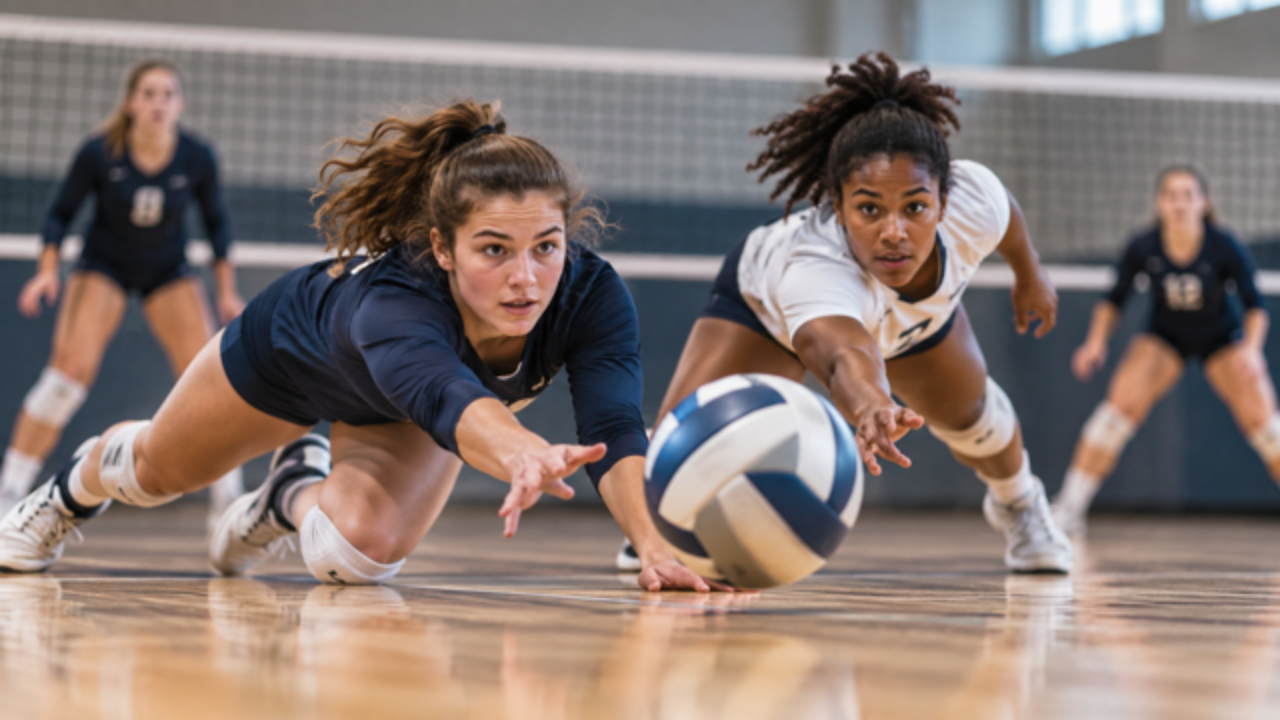
Launch-day energy fades, but shared purpose and clear structures endure. They’re what turn a group of individuals into a team.
Reflection: How do you design structures (or what have you experienced by others) that bring people together as more than representatives, as a team?


Responses